Posted On: September 10, 2025
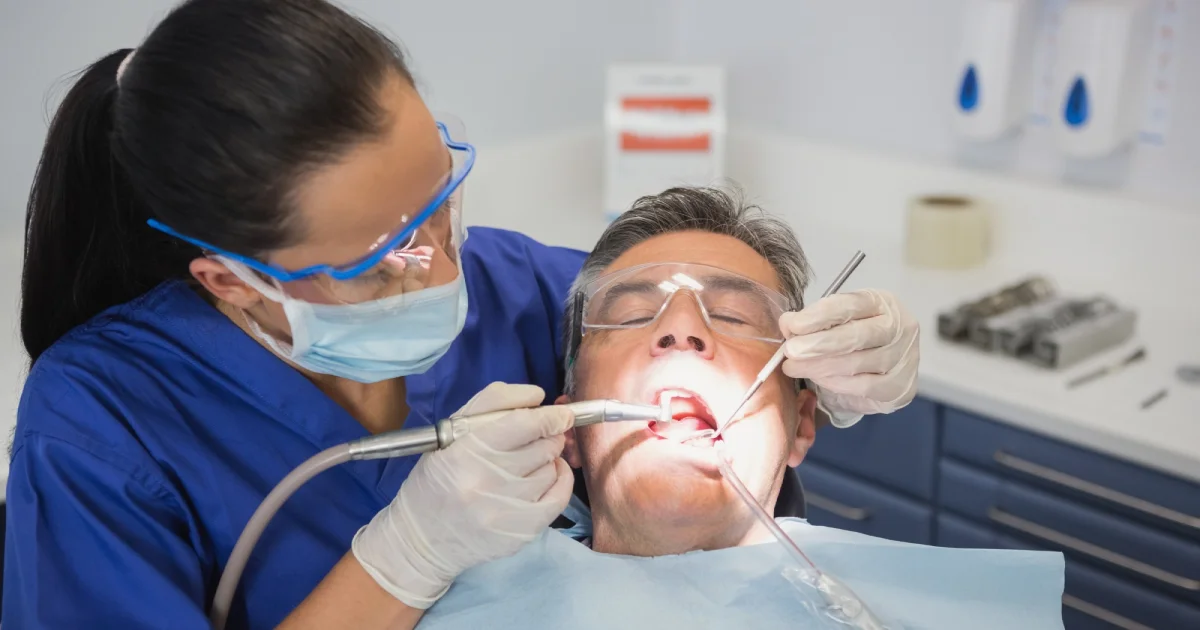
Root canal treatment (RCT) no longer needs to be feared. At Ravi’s Dental Care & Implant Centre, Sector-2, MVP Colony (Opp. SBI Bank), Visakhapatnam, we combine precise diagnosis, gentle anesthesia, and evidence-based endodontic protocols to deliver a calm, comfortable experience—often in one sitting.
- Professor-led care: Prof. (Dr.) Ravi Kumar Konagala, MDS (Conservative Dentistry & Endodontics), is Professor in Endodontics and Restorative Dentistry who stays current with academic advances and translates them into daily clinical practice. This academics-to-clinic pipeline means your treatment benefits from the latest techniques, materials, and outcome-driven protocols for an excellent prognosis.
- Comfort-first anesthesia: Modern local anesthesia (gentle, slow, steady) makes numbing imperceptible.
- Rubber dam isolation: RCT is performed under a rubber dam to keep the tooth clean and dry, improving disinfection and success rates.
- Ultrasonic irrigation activation: Beyond simple syringe irrigation—ultrasonic activation agitates the irrigant inside canals, penetrating fins, isthmuses, and lateral anatomy for superior biofilm disruption.
- Advanced rotary systems: Flexible NiTi rotary systems with apex-locator guidance enable minute-detail precision, conservative shaping, and faster, smoother procedures.
- Bio-ceramic (“biogenetic”) sealer: We obturate with a bio-ceramic sealer that’s biocompatible, dimensionally stable, and promotes a tight seal—critical for long-term success.
- Minimal post-medication: With proper disinfection and sealing, most patients require minimal medication after treatment—usually just short-term analgesics if needed.
- Diligent follow-ups: Our staff follows up regularly during and after treatment to ensure you’re comfortable and healing as expected.
Bottom line: You get painless root canal treatment in Vizag from a professor- endodontist who blends academics, technology, and compassion—all in a modern, patient-friendly clinic.
Who is a candidate for single-sitting RCT?
- Deep decay or cracked tooth causing pulpitis/pulp infection
- Persistent sensitivity to hot/cold, lingering pain, or spontaneous toothache
- Swelling or sinus tract near the tooth
- Previously treated tooth still painful (candidate for re-RCT)
We confirm with clinical tests, digital radiographs, and, when indicated, CBCT for 3D mapping of roots, curves, extra canals, or complex anatomy.
Step-by-step: What happens during your painless root canal?
- Diagnosis & planning: Pulp vitality tests, digital X-rays, and if necessary CBCT to see every canal and curve.
- Comfortable anesthesia: Topical gel before needle; gentle, reassuring pace followed by adequate local anesthesia is given.
- Rubber dam isolation: A soft sheet shields the tooth from saliva, improving asepsis and safety.
- Access & canal scouting: Conservative access to protect tooth structure; apex locator ensures precise working length.
- Rotary shaping with minute-precision: Advanced rotary files (NiTi) create a tapered shape while preserving dentin; irrigants are ultrasonically activated to break up biofilm in recesses.
- Disinfection: A sequence of irrigants is used and activated ultrasonically for deeper penetration.
- Bio-ceramic (“biogenetic”) sealer obturation: Warm vertical compaction or carrier-based obturation achieves a 3D seal.
- Provisional or definitive restoration: Depending on the case, a core build-up and crown plan are discussed to prevent fracture and reinfection.
- Minimal medication & instructions: Most patients resume normal activity the same day; we advise a soft diet on the treated side until the crown.
- Follow-up calls & reviews: Our team checks on you and schedules reviews to verify healing.
Treatment time: Uncomplicated cases are often completed in 30–60 minutes in one visit. Complex infections, unusual anatomy, or re-RCTs may need two visits—we’ll explain why and what to expect.
Why patients call us the best root canal specialist in Vizag
- Professor-Endodontist leadership: Prof. Dr. Ravi Kumar integrates rigorous academic evidence with chairside skill, raising the bar for predictable outcomes. He has performed more than 10,000 root canal treatments in his 15-year career and serves as a senior consultant for multiple clinics in Vizag.
- Obsessive sterilization: Five-step protocol; instrument reprocessing, barrier protection, and rubber dam for every RCT.
- Precision at minute details: From glide path management to apical gauging and ultrasonic activation, every step is calibrated for success.
- Transparent fees & timelines: You’ll know the plan, price, and prognosis before we start.
- Patient-first communication: Warm, simple explanations; slow dentistry pace; pain-control checks throughout.
- End-to-end restorative plan: RCT plus crown selection (zirconia/metal-ceramic/ceramic), occlusal adjustment, and recall schedule—everything under one roof.
Pricing (Transparent & Local)
- Primary RCT (single-sitting whenever suitable): ₹4,500 – ₹5,500
- Re-RCT (retreatment): ₹6,000 – ₹8,000
- Crowns: Quoted separately based on material and warranty
Final estimate is confirmed after examination and radiographic assessment. EMI and staged payments available. Minimal medication is usually sufficient post-treatment.
Aftercare: Minimal medication, maximum comfort
- Day 1–2: You may feel mild tenderness on biting—this settles quickly.
- Diet: Soft on the treated side until crown placement.
- Oral hygiene: Brush/floss as usual; avoid biting hard nuts or ice on the provisional.
- When to call: Persistent swelling, severe pain, or cracked temporary—ring us and we’ll get you in quickly.
- Follow-up: Our staff will call you proactively and schedule check-ins; radiographic review may be advised to document healing.
Re-RCT: When a previous root canal needs a second chance
Re-RCT addresses missed canals, inadequate seal, reinfection, or failing restorations. We remove old gutta-percha, disinfect thoroughly with ultrasonic activation, and re-seal with bio- ceramic sealer, often improving prognosis dramatically. Expect one to two visits depending on complexity. Fees: ₹6,000–₹8,000.
Dr. Ravi’s technology stack (for the geeks and the curious)
- Operating loupes / magnification: For enhanced visibility during procedures.
- Electronic apex locator: Ensures sub-millimeter working length accuracy.
- NiTi rotary files: Metallurgy tuned for flexibility and fatigue resistance.
- Ultrasonic tips: Used for activation and managing calcifications.
- Bio-ceramic (“biogenetic”) sealer: Provides 3D sealing and is biocompatible.
- Digital radiography & CBCT (when indicated): For precise planning and verification.
- Rubber dam isolation: Standard on all endodontic procedures to maintain asepsis.
Patient story: From fear to relief (MVP Colony)
A patient Varalakshmi from Waltair arrived with night pain and swelling, terrified of “root canal pain.” After gentle anesthesia, rubber dam isolation, ultrasonic irrigation, and bio- ceramic obturation, the case was completed in one sitting (~45 minutes). She reported zero pain during treatment and only mild tenderness that resolved with routine analgesics. Our team followed up the same evening and next day—she was back to normal and later received a zirconia crown. Her review: “Totally pain-free and stress-free.”
Why “best endodontist in Vizag” isn’t just a keyword here
- Academic leadership: Dr. Ravi teaches Endodontics and continuously updates protocols from literature to clinic. He has pursued advanced endodontic courses.
- Protocol discipline: Rubber dam on every case, ultrasonic activation, bio-ceramic sealer, advanced rotary—no compromises.
- Prognosis focus: Access design, canal patency, irrigant activation, and 3D obturation are executed to maximize long-term success, not just short-term relief.
- Communication & empathy: We respect your concerns, keep you informed, and move at a pace that feels safe.
Patient-friendly FAQs
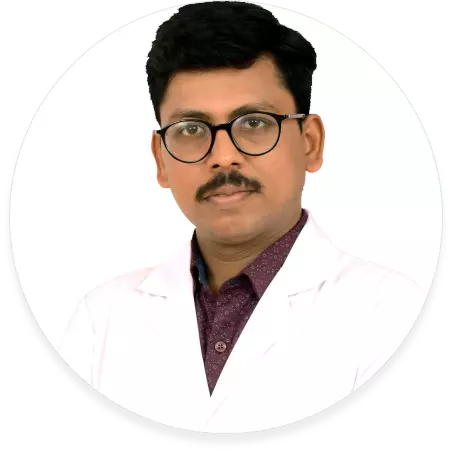
Written and medically reviewed by
Dr. Konagala Ravi Kumar
MDS — Conservative Dentistry & Endodontics
Principal dentist at Ravi's Dental Care & Implant Centre, Professor at GITAM Dental College and Key Opinion Leader for Coltene India, with over 12 years of specialist practice in rotary endodontics.