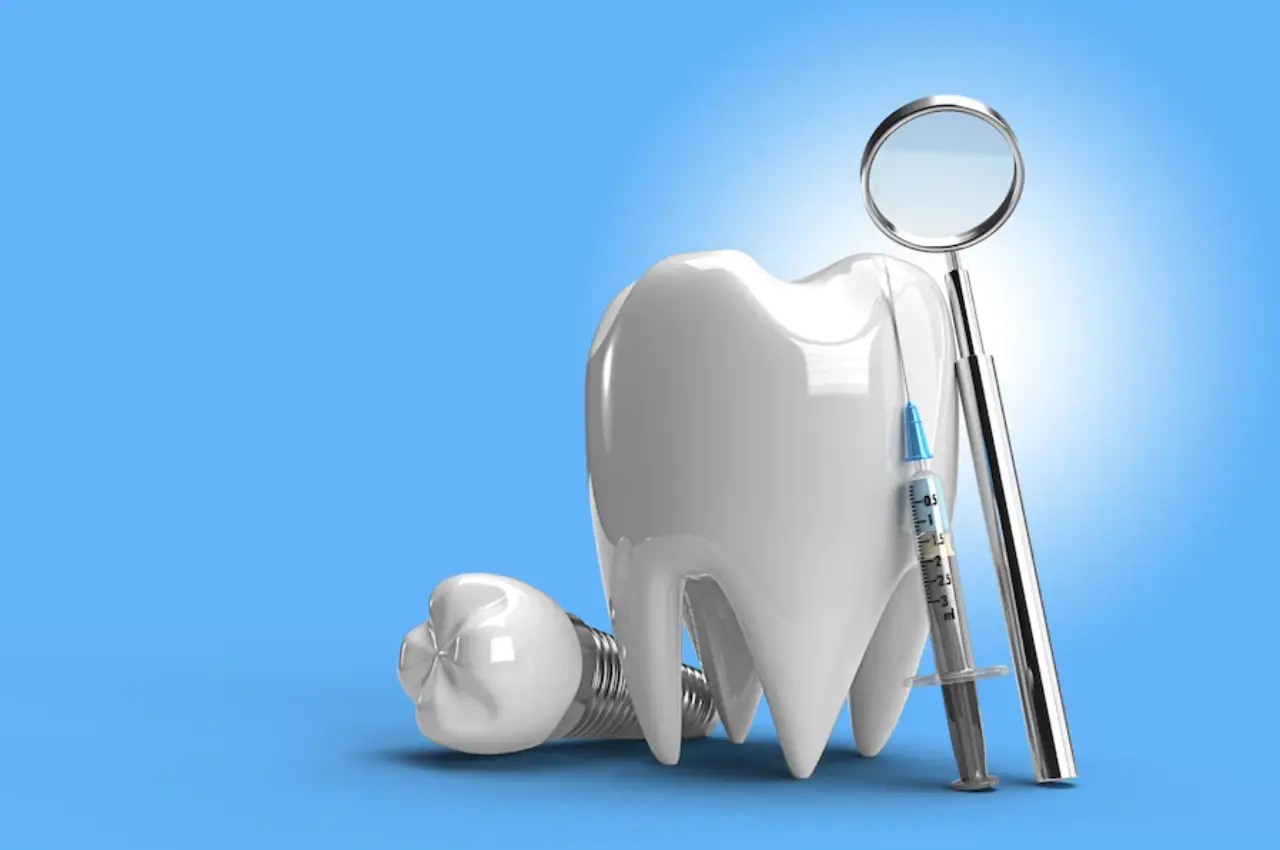
Dental implants look and feel like natural teeth, that help regains the normal function of your mouth. It provides an excellent solution for tooth loss due to tooth decay, injury or gum disease. Dental implants should be taken care of, properly, to ensure their longevity and maintain their appearance. Skipping the aftercare may result in inflammation, discomfort, pain, bone loss and diseases of peri-implantitis. A healthy and long-lasting dental implant will no longer be a distant reality, with the tips mentioned below.
Use a Soft-Bristled Toothbrush
A hard-bristled toothbrush can damage your dental implants, they easily scratch the surface of the implants and cause irreversible cracks. Thus, it is important to use soft-bristled toothbrushes after getting dental implants. Nylon brushes are a good choice because they have pliable and gentle bristles that won’t harm your implants.
Avoid Abrasive Toothpaste
Some kinds of toothpaste are abrasive, and any form of abrasion can hurt your implants. Choose a low-abrasive toothpaste after getting dental implants. Normal toothpaste is highly abrasive to remove plaque and stains, so change your normal toothpaste and start using a toothpaste that won’t damage your dental implant.
Floss Daily
Flossing daily is important for oral hygiene, it will remove any food particle that gets stuck in between the teeth and cannot be removed by brushing alone. But, after getting dental implants it is more important than before as plaque builds up easily around implants. Also, make sure you use implant-friendly floss.
Practice Good Oral Hygiene
It is always important to brush twice daily and you should continue this after getting dental implants. If you wish to protect your implants for a long time, use non-abrasive products. A soft-bristled toothbrush, non-abrasive and sensitive toothpaste, non-alcoholic mouthwash and implant-specific floss are all must-haves. Consult the best dentists to explore more implant-friendly products.
Avoid Hard, Hot or Sticky Foods
Hard food items can cause damage or break your implants, hence, they should be avoided. Sticky foods can stick around your implant and cause plaque buildup. Try to avoid ice, hard candies, caramel, sweets, steak, etc. Hot food items such as tea, coffee and soups should also be avoided as they can distort the shape of your dental implant.
Limit Alcohol Consumption
Alcohol is high in sugar and promotes tooth decay in normal teeth, and is also problematic for dental implants. It speeds up the accumulation of plaque and hinders healing after dental implant surgery. Try to avoid alcohol consumption for six months post-surgery.
Quit Smoking
Smoking is bad for your overall health and it is intensely harmful to your oral health. Choosing to smoke puts you at a high risk of various diseases including cancer and lung disorders. Smoking slows down the healing process post-dental implant surgery. It also weakens and inflames the gums around the implant causing severe pain and discomfort. Smoking will also stain the new dental implants in no time. So, it is better to quit smoking once and for all.
Warning Signs Your Implant Needs Attention
Implants do not decay, which leads people to assume they cannot fail. They can — almost always through the gum and bone around them rather than the implant itself. Contact us promptly if you notice:
- Bleeding or pus around the implant when brushing
- Gum that looks red, swollen or has receded to expose metal
- Any movement, clicking or a change in how the bite feels
- Persistent bad taste or odour localised to one area
- Food packing into a space that was not there before
Caught early, inflammation around an implant (peri-implant mucositis) is reversible with cleaning and improved technique. Left to progress into bone loss (peri-implantitis) it becomes far harder to treat, and can end in losing the implant. The gap between those two states is measured in months, which is precisely why review appointments matter.
Implant Maintenance Questions
How often should implants be professionally checked?
Every six months for most patients, and more frequently where there is a history of gum disease, smoking or diabetes. The appointment is not the same as a routine scale and polish — implants are cleaned with instruments that will not scratch the implant surface, and we check the bone level radiographically rather than relying on appearance.
Can I use an electric toothbrush on an implant?
Yes. Electric brushes are safe around implants and generally clean better than manual brushing. Use a soft head and let the brush do the work rather than pressing hard.
Does smoking really affect implants?
Substantially. Smoking impairs blood supply and healing in the gum and bone that hold the implant, and it is one of the strongest predictors of implant failure. If you are considering implant treatment or a full-arch reconstruction, this is the single biggest modifiable factor in whether it lasts.
How long should an implant last?
Well-planned and well-maintained implants commonly last 15–20 years or more. The crown or bridge on top is the part more likely to need attention first — screws can loosen and porcelain can chip, both usually repairable without disturbing the implant beneath.

Written and medically reviewed by
Dr. Sujit Kumar
MDS — Periodontics | Implantologist
Implantologist at Ravi's Dental Care & Implant Centre, MVP Colony, Visakhapatnam, placing single, multiple and full-arch implants with 3D digital planning.